

Veteran Voices Newsletter

Issue 8 • July 7, 2024
"The critical link between mental health and veteran homelessness underscores the urgent need for better support and resources for our veterans."
Table of Contents
The Impact of Mental Health on Veteran Homelessness 2
Understanding Veteran Homelessness 3
Mental Health and Its Effects on Veterans 4
Causes of Veteran Homelessness 5
Solutions to Combat Veteran Homelessness 5
TL;DR
This newsletter post delves into the critical connection between mental health and veteran homelessness. It explores the impact of mental health conditions like PTSD and depression on veterans, detailing the challenges they face and proposing solutions. The post aims to raise awareness and advocate for better mental health support to combat veteran homelessness effectively.
The Impact of Mental Health on
Veteran Homelessness
Introduction
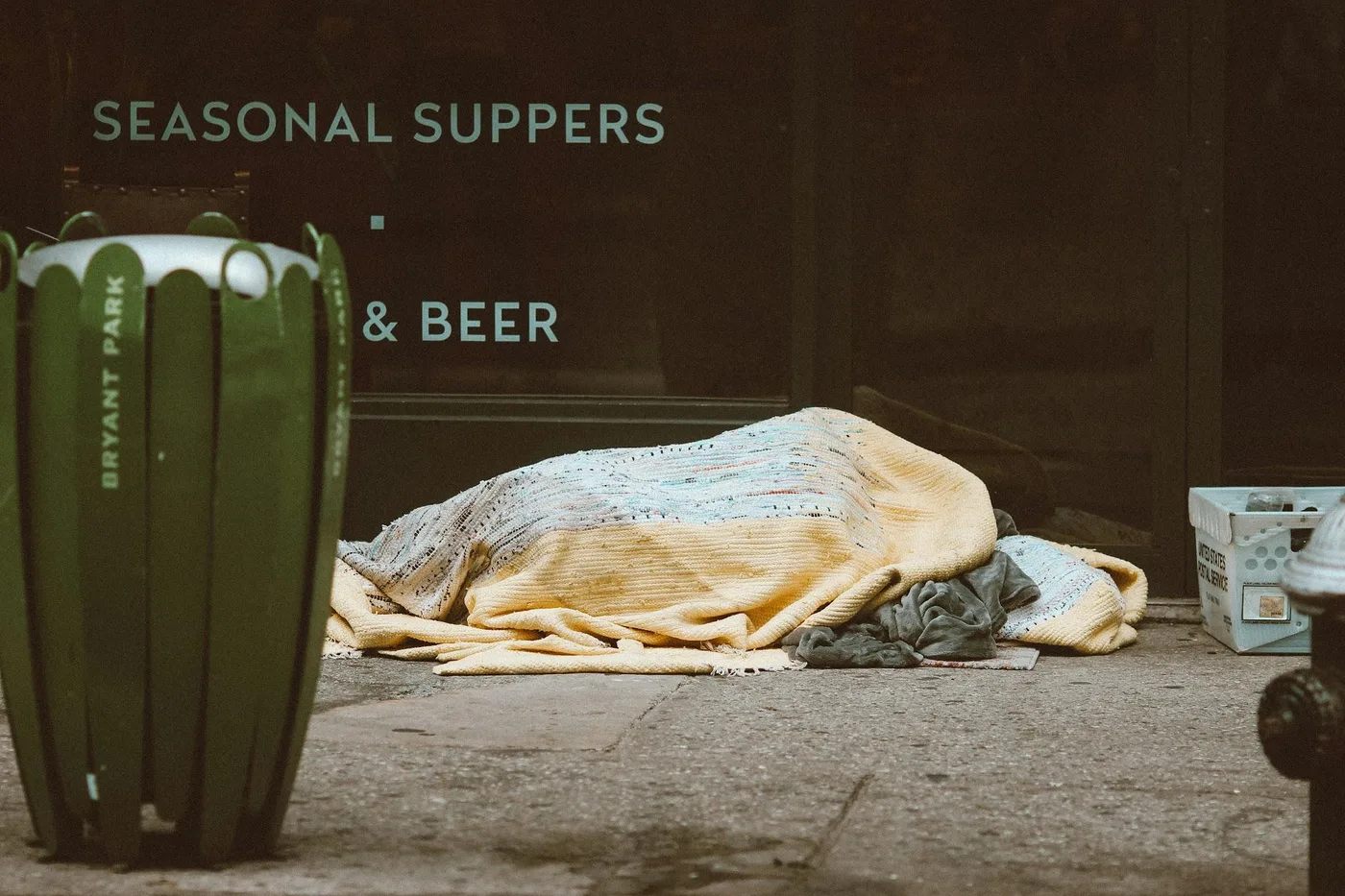
Veteran homelessness represents a significant social issue, affecting thousands of veterans across various regions. This article will explore the impact of mental health on veteran homelessness and detail the connections between mental health and homelessness.
Overview of Veteran Homelessness
Veteran homelessness encompasses individuals who have served in the military and later find themselves without stable housing. This demographic often includes those experiencing extreme poverty, unemployment, and lack of family support. The U.S. Department of Housing and Urban Development reported that veterans make up a significant portion of the homeless population. Efforts to address veteran homelessness often focus on providing housing support, employment opportunities, and healthcare services to those in need.
The Connection Between Mental Health and Homelessness
Mental health plays a crucial role in the issue of veteran homelessness. Many veterans suffer from mental health conditions such as Post-Traumatic Stress Disorder (PTSD), depression, and anxiety. These conditions frequently stem from experiences during service and can impede a veteran's ability to secure and maintain stable housing. Without proper mental health treatment and support, these individuals face a higher risk of homelessness. Substance abuse disorders, often linked to mental health struggles, further exacerbate the situation. The lack of adequate mental health care services for veterans continues to be a significant barrier to solving this crisis.
Purpose of this Blog Post
The primary purpose of this blog post is to illuminate the critical links between mental health issues and veteran homelessness. By clearly understanding these connections, it aims to inform and educate readers about the underlying causes and solutions to this pressing problem. The goal is to advocate for better mental health support, policy changes, and community involvement to address and reduce veteran homelessness effectively.
Understanding Veteran Homelessness
Statistics and Trends
In the United States, veteran homelessness remains a significant issue. Many veterans find themselves without stable housing after serving their country. According to the U.S. Department of Veterans Affairs, there were about 37,252 homeless veterans in January 2020, accounting for 8% of all homeless adults. Multiple factors contribute to this problem, including the high prevalence of mental health issues among veterans.
Recent studies show that veterans are more likely to experience homelessness than non-veterans. This trend is concerning as it reflects gaps in support systems. Mental health challenges such as PTSD, depression, and anxiety are common among veterans, exacerbating their risk of becoming homeless. The National Center for Biotechnology Information highlights that mental health disorders significantly affect veterans' ability to reintegrate into civilian life, making stable housing harder to maintain.
Challenges Faced by Homeless Veterans
Homeless veterans face numerous challenges. Mental health issues often complicate their ability to find employment, secure housing, and access healthcare. Many veterans struggle with the transition to civilian life. The lack of a supportive community can lead to isolation, worsening their mental health conditions. Substance abuse is also prevalent among homeless veterans, often as a coping mechanism for their mental health problems.
Navigating social services is another hurdle. Many veterans are unaware of the resources available to them or find the processes too complicated. This lack of access impedes their ability to find long-term solutions to homelessness. The combination of untreated mental health issues, substance abuse, and complex bureaucratic systems creates a vicious cycle for these individuals.
Addressing veteran homelessness requires a multifaceted approach. Improving mental health services, increasing access to affordable housing, and streamlining support processes are essential. Community-based interventions and specialized programs can provide the necessary support for veterans to overcome these obstacles.
For in-depth research, visit the National Center for Biotechnology Information.
Mental Health and Its Effects on Veterans
Mental health significantly influences the well-being of veterans, playing a crucial role in veteran homelessness. The psychological impact of military service often leads to various mental health issues among veterans.
Common Mental Health Issues Among Veterans
Veterans frequently face mental health challenges such as depression, anxiety, and Post-Traumatic Stress Disorder (PTSD). Multiple deployments, combat exposure, and the transition to civilian life contribute to these conditions. These mental health issues can strain relationships, hinder employment, and impede veterans' ability to lead stable lives. A clear link exists between untreated mental health issues and veteran homelessness, highlighting the need for effective mental health care and support systems.
Impact of PTSD on Veterans
PTSD is a significant factor contributing to veteran homelessness. Symptoms include flashbacks, severe anxiety, and uncontrollable thoughts about traumatic events. The intensity of these symptoms can make it difficult for veterans to maintain employment and housing. Many veterans with PTSD may resort to isolating themselves, exacerbating their situation. Effective treatment programs for PTSD, which include therapy and sometimes medication, are essential in preventing homelessness among veterans. For more details, visit VA Research on Homelessness.
Substance Abuse and Dependency
Substance abuse is another critical issue affecting veterans' mental health. Many veterans turn to drugs or alcohol as a coping mechanism for depression, anxiety, or PTSD. Substance dependency can spiral, leading to financial instability and strained relationships, which are direct causes of veteran homelessness. Rehabilitation programs focusing on mental health and addiction recovery are crucial in addressing the root causes and providing solutions to veteran homelessness.
Causes of Veteran Homelessness
Mental Health Issues
Many veterans face mental health challenges after their service. Conditions such as PTSD, depression, and anxiety are common. These issues can make it challenging to maintain stable employment and housing. Veterans may struggle with daily life management, further complicating their situation. Mental health services specifically tailored for veterans are essential. Addressing mental health is crucial for reducing veteran homelessness.
Economic and Social Factors
Veterans often encounter economic hardships. Difficulty in transitioning from military to civilian jobs can be a significant barrier. Lower income and lack of job stability contribute to homelessness. Social factors, including losing a support network, also play a role. Some veterans may lack family or community connections to help them when facing housing instability. Providing vocational training and social support can mitigate these issues.
Lack of Access to Healthcare
Access to healthcare is a significant factor in veteran homelessness. Many veterans struggle to access medical and mental health care. This gap in healthcare services exacerbates their difficulties. Without proper medical care, untreated issues can lead to deteriorating health and increased homelessness risk. Improving healthcare access can help to prevent veterans from becoming homeless. Efforts should focus on making healthcare resources more accessible to veterans.
For more in-depth information, refer to the research on veteran homelessness.
Solutions to Combat Veteran Homelessness
Improving Mental Health Services
Mental health services play an essential role in addressing veteran homelessness. Access to timely and effective mental health care can significantly reduce the risk of homelessness among veterans. Key steps include:
- Increasing the availability of mental health professionals.
- Expanding telehealth services.
- Integrating mental health care with primary care.
Ensuring that veterans are aware of and can access these services is crucial.
Housing Programs and Support
Stable housing is a critical factor in mitigating veteran homelessness. Programs like HUD-VASH (The Department of Housing and Urban Development-Veterans Affairs Supportive Housing) provide long-term housing solutions and supportive services. Rapid rehousing programs aim to place veterans in housing quickly and offer short-term assistance with rent and utilities. These initiatives decrease the time veterans spend homeless and improve their overall stability.
Community and Government Initiatives
Community and government initiatives are crucial in addressing the causes and solutions of veteran homelessness. Local governments can collaborate with non-profits and community organizations to provide comprehensive support services such as job training, legal aid, and substance abuse treatment. Federal initiatives, including grants, funding for local programs, and national awareness campaigns, bolster these regional efforts. Cooperation between various sectors ensures a holistic approach to combating veteran homelessness.
For more detailed information and resources, please visit VA Research on Homelessness.
Conclusion
Summary of Key Points
Veteran homelessness is directly linked to unresolved mental health issues, such as PTSD, depression, and anxiety. These challenges complicate the reintegration of veterans into society. Causes and solutions for veteran homelessness involve personal, economic, and systemic factors.
Resources like stable housing and tailored mental health care play crucial roles in alleviating veteran homelessness. Support systems must address the dual issues of housing instability and mental health care access to create lasting change.
Call to Action
Policymakers must pay attention to implementing comprehensive support strategies targeting veteran homelessness. Increased funding for mental health services and the development of affordable housing are necessary. Society should advocate for enhanced outreach programs that offer essential services like counseling, job training, and medical care.
Communities can also play a role by supporting local organizations that address veteran homelessness. Public awareness campaigns can promote understanding and reduce stigma, creating a more supportive environment for veterans seeking help.
Future Outlook and Hope for Veterans
Progress is achievable through collective efforts by government entities, non-profits, and local communities. Research and data-driven policies can improve mental health resources and housing solutions. Innovations in telehealth and peer support networks offer new avenues for reaching veterans in need.
Persistent dedication to this issue can significantly reduce veteran homelessness, offering a hopeful future where those who served the country receive the support they need to lead stable and fulfilling lives. For more detailed information and ongoing research, visit the VA's research page on homelessness.
FAQ
How does mental health affect veteran homelessness?
Mental health plays a crucial role in veteran homelessness. Many veterans experience psychiatric disorders such as PTSD, depression, and anxiety. These conditions make it difficult for veterans to maintain stable employment, which can lead to homelessness. Examples include difficulty concentrating and emotional instability that compromise job performance.
What are the common mental health issues among homeless veterans?
Common mental health issues among homeless veterans include PTSD, depression, anxiety, and substance abuse disorders. PTSD is particularly prevalent due to exposure to combat and other traumatic events during service. Depression and anxiety often accompany PTSD, while substance abuse may result from self-medication to cope with these conditions.
What are the causes of veteran homelessness related to mental health?
Causes of veteran homelessness related to mental health include lack of access to adequate mental health care, social isolation, and challenges reintegrating into civilian life. Unstable mental health can lead to social and financial instability, increasing the risk of homelessness. The inadequate healthcare system often fails to address these issues promptly.
What solutions exist to address mental health issues and veteran homelessness?
Solutions to address mental health issues and veteran homelessness include increasing access to mental health care, providing supportive housing, and implementing employment programs. Veteran-focused initiatives such as the HUD-VASH program offer housing vouchers and mental health services. Employment programs help veterans gain stable employment, aiding their transition into civilian life.
How effective are these solutions in reducing veteran homelessness?
These solutions have shown effectiveness in reducing veteran homelessness. Supportive housing programs, like HUD-VASH, have significantly decreased the number of homeless veterans. Employment programs improve job stability among veterans, while increased access to mental health care addresses the root causes of their homelessness.
Why is addressing mental health important for homeless veterans?
Addressing mental health is essential for homeless veterans because untreated mental health issues perpetuate the cycle of homelessness. Without proper mental health care, veterans are less likely to achieve stable employment and housing. Comprehensive mental health care enables veterans to lead fulfilling lives and reduces the risk of homelessness.

THIS MONTH’S
TOP STORIES
Commentary
by Tom Faust
Mental health problems remain one of the top causes of veteran suicide and homelessness. In our recent podcast interview with David Dittemore, we discussed this. After World War II, soldiers came home by ship. Despite the challenges of the week-long journey from Europe to the East Coast of the United States, their return journey played a significant role in their reintegration into civilian life. These soldiers had time to read, write letters, and play games together. Some ships had music or movies. But mostly, they had time to socialize, sharing stories and building camaraderie. This kind of interaction is crucial for emotional support.
Today, when soldiers return from overseas to civilian life, they are put on an airplane, and about twelve hours later, they’re back in the U.S. and on their way home. They don’t get the time to unwind. By missing out on time to share their experiences with others who understand what they’ve gone through, they tend to hold it all inside. Their family and others who did not have the same experiences would not understand, so they don’t talk.
I do not believe that the military does enough to care for our heroes returning from service to their country. In my opinion, particularly for anyone returning from a war zone, there should be a mandatory, week-long time of socialization after returning to the States. Here they could spend time with others who have also recently returned or who volunteer to listen and help these returning soldiers off-load the emotions and deep feelings they otherwise would try to hide. This would give the same sort of healing that those returning from World War II received.
What is your opinion on this subject? I would love to hear other ideas that could help our heroes make a smoother transition to civilian life and avoid suicide or becoming homeless.
If you have resources or a story to share, please write to us at SITREP@VeteranVoices.us or our physical address at the end of this newsletter.
Thank you for reading!

Veteran Voices: Mission
At Veteran Voices, our mission is to help prevent veteran homelessness. It's a significant issue that is challenging to solve because of the many emotional and psychological factors that contribute to it. We believe the best approach is to identify and provide resources that assist veterans in transitioning smoothly into civilian life. This will help to prevent veterans from becoming homeless in the first place, following the old adage that "an ounce of prevention is worth a pound of cure."
How You Can Help
If you have resources available to help veterans or have a story of your own to share, we’d love to hear from you! You can contact us at SITREP@VeteranVoices.us.

Research and writing assistance provided by Perplexity AI and Grammarly


Veteran Voices
A Service of Pearl Lane, LLC
12128 N Division St #1520
Spokane, WA, 99218
Copyright © 2024 Pearl Lane, LLC
www.VeteranVoices.us
SITREP@VeteranVoices.us
G-17EXCCFBDE
- -