
Veteran Voices Newsletter

Issue 9 • August 11, 2024
"Immediate support and tailored care through the Veterans Crisis Line provide a lifeline for those who have served our nation."
Table of Contents
How to Utilize the Veterans Crisis Line for Immediate Support 2
What is the Veterans Crisis Line? 3
How to Access the Veterans Crisis Line 4
What to Expect When You Reach Out 5
Additional Resources and Continuing Support 5
TL;DR
The Veterans Crisis Line offers immediate and confidential support for veterans and their families. It operates 24/7 through phone calls, texts, and online chat. Trained responders provide crisis intervention, guidance to relevant resources, and follow-up care, addressing the unique challenges experienced by veterans.
This service aims to prevent crises, reduce the stigma around seeking mental health support, and provide tailored care for veterans' specific needs, such as PTSD, depression, and anxiety. Additionally, the accessibility features of the Veterans Crisis Line, including TTY for the hearing impaired, ensure that all veterans can receive the assistance they need.
How to Utilize the Veterans Crisis Line for Immediate Support
Introduction
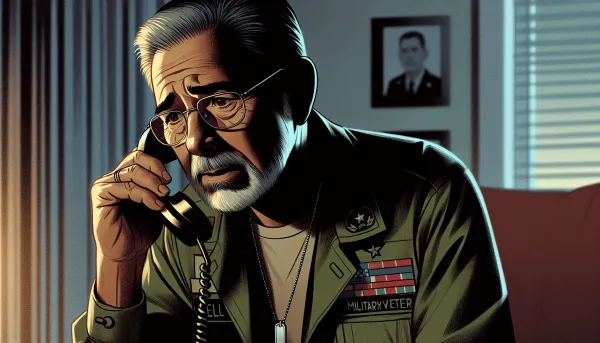
The Veterans Crisis Line provides crucial immediate support for veterans in distress. It acts as a vital lifeline, offering veteran crisis help and reducing the risk of suicide among military personnel. Understanding how to utilize this service can make a significant difference in the lives of veterans and their loved ones.
Understanding the Veterans Crisis Line
The Veterans Crisis Line is a confidential suicide hotline available 24/7 to veterans and their families. It is accessible via phone, text, and online chat. Veterans can dial 988 and then press 1 to reach trained responders. These responders offer guidance and support, connecting veterans with the necessary resources for long-term crisis management.
The Importance of Immediate Support for Veterans
Veterans face unique challenges, including mental health issues and difficulties transitioning to civilian life. Immediate support through the Veterans Crisis Line can address these challenges promptly. Prompt intervention can prevent escalation and save lives. Additionally, providing veteran crisis help reduces the stigma around seeking mental health support.
The availability of a suicide hotline dedicated exclusively to veterans ensures they receive specialized care tailored to their experiences. This tailored support is essential for addressing the specific needs of veterans, such as PTSD, depression, and anxiety. Quick access to support fosters trust and reliability in the system, encouraging more veterans to seek help when needed.
What is the Veterans Crisis Line?
The Veterans Crisis Line is a free, confidential service designed to provide immediate support to veterans, service members, and their families. Operated by the U.S. Department of Veterans Affairs, it offers access to qualified responders who understand the unique challenges faced by veterans. This suicide hotline aims to prevent crises and provide veteran crisis help whenever required.
Overview of Services
The primary service of the Veterans Crisis Line is offering immediate support through phone calls, texts, and online chats. Trained responders are available 24/7 to assist individuals in crisis. They help callers navigate their emotional and mental health challenges by providing necessary interventions and resources. The line serves as a bridge to connect veterans to ongoing mental health care and community support systems.
Who Can Benefit from It?
The Veterans Crisis Line is beneficial for veterans, active-duty service members, and National Guard and Reserve members. Families and friends of those who have served can also use this service if they are worried about a loved one's well-being. Anyone experiencing a mental health crisis, dealing with suicidal thoughts, or seeking immediate support can find help through this service.
Types of Support Offered
Several types of support are provided through the Veterans Crisis Line:
- Crisis Intervention: Immediate support is offered to manage acute mental health crises.
- Guidance and Resources: Callers are guided to relevant mental health resources and services.
- Confidential Conversations: Every interaction is kept confidential, ensuring privacy.
- Follow-Up Care: Veterans are connected to ongoing care and local support for continuous help.
Through these services, the Veterans Crisis Line ensures that those who served the nation are supported during their times of need. For more information on how the service works, visit the official website. Learn what to expect when contacting the line by reading more here.
How to Access the Veterans Crisis Line
Phone: The Suicide Hotline Number
Individuals can call the Veterans Crisis Line at 1-800-273-8255 and press 1 for immediate support. This number connects veterans, service members, and their families directly to trained professionals. When someone calls, they receive veteran crisis help quickly and efficiently. The service is confidential and operates 24/7.
Text Messaging for Immediate Support
For those who prefer texting over calling, the Veterans Crisis Line offers a text messaging option. Text 838255 to receive assistance from a crisis counselor. This modality provides immediate support for those in need and grants privacy and convenience, especially in situations where a phone call might not be possible.
Online Chat for Veteran Crisis Help
Another way to receive veteran crisis help is through the online chat option available on the Veterans Crisis Line website. By visiting their website, individuals can initiate a confidential chat session. This service is accessible 24/7, providing an alternative method for those who are more comfortable with written communication.
Accessibility Features
The Veterans Crisis Line incorporates several accessibility features to ensure every veteran can get the help they need. Services are available for the hearing impaired through TTY by calling 1-800-799-4889. Additionally, the website is designed to be accessible and compliant with the Americans with Disabilities Act (ADA), offering easy navigation and the ability to resize text for readability.
Veterans and their loved ones seeking immediate support can find comprehensive resources that address a variety of needs. By providing multiple contact methods, the Veterans Crisis Line ensures that all individuals can access suicide hotline relief in a manner that suits them best.
Learn more about these services by visiting their official website.
What to Expect When You Reach Out
Initial Contact Protocol
When a veteran contacts the Veterans Crisis Line for immediate support, the initial interaction is straightforward. Callers are greeted by an automated message that offers the option to speak with a responder, text, or chat online. The system ensures a quick connection to a live person to provide veteran crisis help without delays.
Speaking with a Responder
Once connected, veterans speak with a trained responder who is ready to offer assistance and emotional support. Responders specialize in handling crisis situations and are adept at providing direction and resources. The process involves a conversation where veterans can talk openly about their struggles. Responders listen actively, assess the situation, and guide the veteran towards appropriate next steps, including potential referral to local services or emergency resources. This immediate support addresses the veteran's concerns promptly and effectively.
Confidentiality and Privacy
The Veterans Crisis Line prioritizes confidentiality and privacy for all callers. Interaction details remain strictly confidential. The service adheres to privacy laws, ensuring that personal information is protected. Veterans can feel secure knowing that their conversations are private and respectful of their sensitive situations. This commitment to confidentiality helps build trust and encourages veterans to seek the help they need without hesitation.
For more detailed information on how the Veterans Crisis Line works and mental health support services, be sure to visit their official pages at Veterans Crisis Line and VA Mental Health.
Additional Resources and Continuing Support
Follow-up and Ongoing Support
Veterans Crisis Line provides immediate support during a mental health crisis. For continued assistance, follow-up services are crucial. Those who have reached out can expect further evaluations and check-ins to ensure ongoing safety and support. These follow-ups are essential in preventing a relapse and maintaining mental health stability.
Sustaining support might include regular phone calls, scheduled counseling sessions, and access to local mental health resources. Consistent follow-ups ensure that veterans do not feel abandoned after their initial contact and continue to receive the care they need.
Supplementary Resources for Veterans
Beyond the Veterans Crisis Line, various resources offer immediate support and long-term care for veterans experiencing a crisis. The VA provides comprehensive mental health services designed to address diverse needs. These services include therapy, medication management, and specialized programs for PTSD and substance abuse.
The VA's Suicide Prevention Program offers in-depth resources to help veterans and their families. These resources include educational materials, community outreach programs, and specialized treatment options.
Connecting with Local Support Networks
Local support networks play a vital role in providing continuing care. Veterans can connect with local community groups, veteran organizations, and mental health professionals through recommendations from the Veterans Crisis Line.
These networks offer a sense of community and understanding, which is essential in the recovery process. Support groups, local VA facilities, and community centers provide accessible help and social connections. Utilize Veterans Crisis Line resources to find immediate support and long-term connections within the local community.
Immediate support from the Veterans Crisis Line is the first step towards recovery. Ongoing support, supplementary resources, and local networks continue the journey towards mental health stability.
Conclusion
Encouragement to Seek Help
Utilizing the Veterans Crisis Line can provide immediate support to those in need. Veterans should not hesitate to reach out when facing a crisis. The available resources are designed to offer quick assistance, fostering a sense of security and comfort.
Encouraging seeking help is crucial. The Veterans Crisis Line offers a lifeline to those who might feel isolated or overwhelmed. Daily struggles can become more manageable with professional guidance. Reaching out for veteran crisis help showcases the strength and the willingness to prioritize well-being.
The Importance of Veteran Crisis Help
Veteran crisis help is vital for maintaining the mental health of those who have served. Many veterans face unique challenges post-service, including trauma, depression, and anxiety. The Veterans Crisis Line serves as a critical resource, offering a specialized suicide hotline tailored to veterans' unique needs.
Immediate support through the Veterans Crisis Line ensures that veterans receive timely intervention. A timely response can prevent situations from escalating, providing a pathway to long-term recovery and stability. The accessibility of such a service highlights its importance in the broader spectrum of mental health care.
Understanding the significance of veteran crisis help promotes a more supportive community. Awareness leads to better resource utilization and encourages veterans to take proactive steps towards their mental health. For those who have dedicated their lives to serving others, accessing the Veterans Crisis Line is a pivotal step in securing their own well-being.

THIS MONTH’S
TOP STORIES
Commentary by Tom
by Tom Faust
This month, we’re discussing how veterans can get help when needed. Dialing 988 and talking to someone makes it extremely easy. You can also call a friend. But don’t just sit on suicidal thoughts if you’re having them. Talk to someone.
You can also check out our podcasts. In Episode 20, for instance, we interviewed David Dittemore and discussed veteran suicide and veteran homelessness.
If you know anyone struggling with suicidal thoughts, check out this handout from the Veteran Crisis Line titled Talking With a Veteran in Crisis. It includes this section for friends and family members:
If you work for a support organization or you are a friend, family member, or acquaintance of the Veteran:
- Try to find out where the Veteran is located and whether anyone else is nearby.
- Verify the Veteran’s phone number and, if possible, the last four digits of their Social Security number.
- Explain that you will conference a Veterans Crisis Line staff member into the call.
- Call 1-800-273-8255, Press 1.
- Complete a warm transfer: When the VCL responder answers, identify yourself, explain what is going on, and provide the Veteran’s information.
- Inform the Veteran that you will hang up and he or she is in good hands with the VCL responder.
- Make sure the Veteran is on the call with the VCL responder before hanging up.
- If you work for a VSO, a suicide prevention organization, or similar, notify your supervisor per facility procedure or protocol.
Get help. Give help. We’re all in this together!
If you have resources or a story to share, please write to us at SITREP@VeteranVoices.us or our physical address at the end of this newsletter.
Thank you for reading!

Veteran Voices: Mission
To empower veterans to thrive in civilian life by providing critical resources and support and preventing homelessness through proactive intervention.
We're committed to honoring our heroes' service by ensuring their successful transition, one veteran at a time
Veteran homelessness is a significant issue that is challenging to solve because of the many emotional and psychological factors that contribute to it. We believe that the best approach is to identify and provide resources that assist veterans in making a smooth transition into civilian life. This will help to prevent veterans from becoming homeless in the first place, following the old adage that "an ounce of prevention is worth a pound of cure."
How You Can Help
If you have resources available to help veterans or have a story of your own to share, we’d love to hear from you! You can contact us at SITREP@VeteranVoices.us.

Research and writing assistance provided by Perplexity.ai and Grammarly

Veteran Voices
A Service of Pearl Lane, LLC
12128 N Division St #1520
Spokane, WA, 99218
Copyright © 2024 Pearl Lane, LLC
www.VeteranVoices.us
SITREP@VeteranVoices.us
G-17EXCCFBDE
- -