
Veteran Voices Newsletter

Issue 16 • October 18, 2025
“In a Peer Support group, warriors can relate, regardless of what branch of the military they are from, where they served, or what their injuries are. We all share a common ground, and we can use it as a starting point to better our lives.” — Carlos De León (Wounded Warrior Project)
Table of Contents
Stronger Together:
The Power of Veteran Peer Support Groups 1
Stronger Together:
The Power of Veteran Peer Support Groups
TL;DR
Veteran peer support groups are a lifeline for those transitioning from military to civilian life. They provide a judgment-free space where veterans can share experiences, find camaraderie, and learn coping strategies for challenges like PTSD, anxiety, and isolation. These groups—often led by veterans themselves—offer emotional relief, foster resilience, and encourage healthy lifestyle changes. Research and real-life stories show they significantly improve mental health, restore a sense of belonging, and empower veterans to rebuild their lives with purpose and confidence.
Introduction
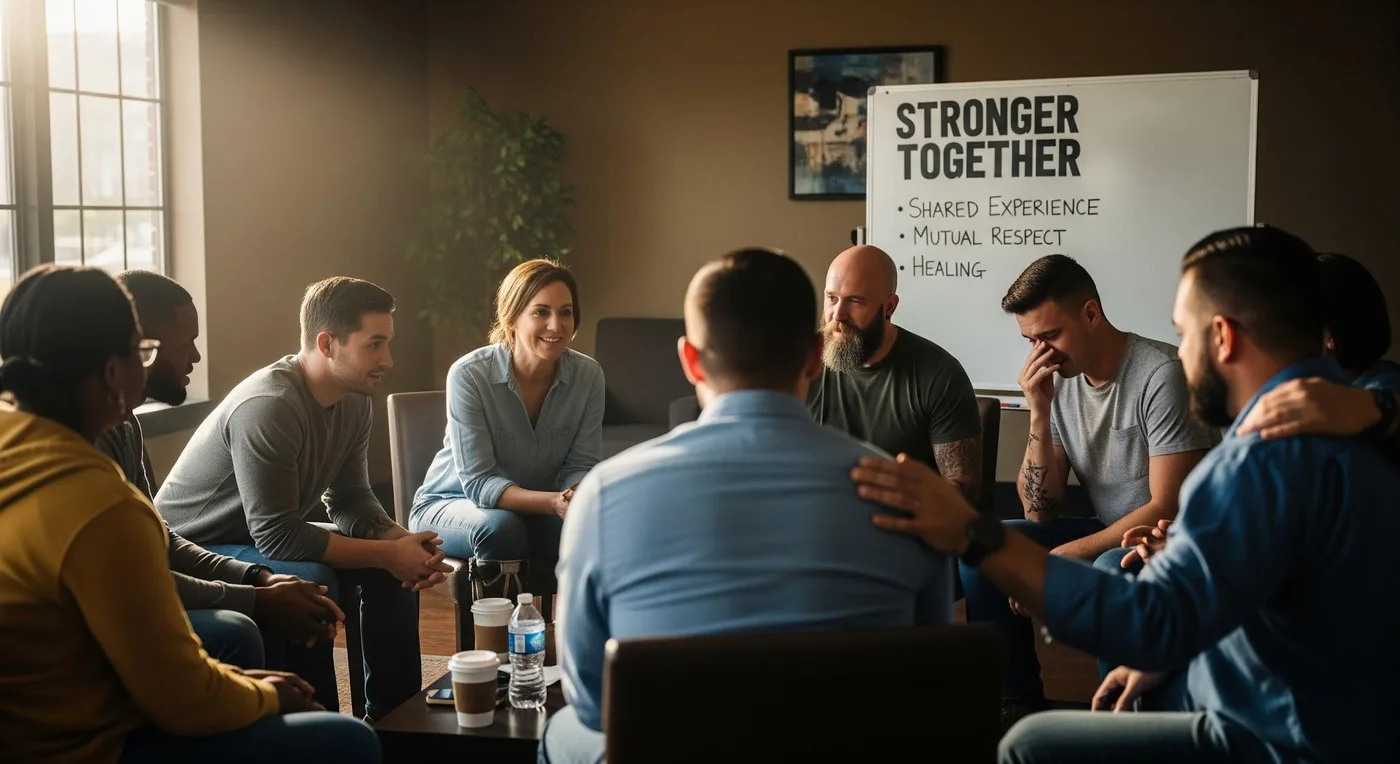
Veteran peer support groups have become a crucial component in the transition to civilian life for many former service members. These groups provide a platform where veterans can share experiences, gain emotional support, and foster a sense of community. The mental health challenges faced by veterans, including issues such as PTSD, are well-documented. Providing veterans with access to peer support can be instrumental in helping them cope with these challenges.
Understanding the Importance of Support Groups
Support groups offer individuals a safe space where they can express themselves without judgment. This is particularly beneficial for veterans, who may struggle with feelings of isolation after leaving the military. Sharing experiences with others who understand their unique challenges can be incredibly therapeutic. Support groups contribute to improved mental health outcomes by reducing feelings of loneliness and providing resources that promote healing and personal growth.
In the context of PTSD, support groups act as a supplementary form of therapy. Veterans often find comfort in knowing they are not alone in their struggles. The understanding and empathy found in these groups can lead to decreased symptoms and an improved quality of life. Participants can learn coping strategies and gain insights that might be difficult to achieve in isolation.
Introduction to Veteran Peer Support
Veteran peer support has emerged as a specialized form of support that leverages shared experiences of military life. In these groups, veterans lead discussions and activities aimed at addressing common issues such as PTSD, employment challenges, or relationship dynamics. Unlike traditional therapy, peer support groups emphasize mutual aid without a hierarchical structure.
A key advantage of veteran peer support groups is the sense of camaraderie they foster. Veterans often build trust and rapport more easily with fellow service members than with civilians. This trust is vital for open communication and support. The informal yet focused nature of these groups can make them more accessible for veterans hesitant to seek professional help.
The effectiveness of veteran peer support is backed by research highlighting its role in improving mental health and social functioning. Group members often experience relief through shared stories and advice, bolstering their resilience against PTSD and other mental health challenges. Veteran support groups offer a practical and empathetic approach to healing, underscoring their importance in the veteran community.
The Need for Support Among Veterans
Veterans often face unique challenges upon returning to civilian life. Many struggle with the transition due to deployment-related issues. The need for strong veteran support groups becomes apparent in helping them cope with these challenges. These groups offer a safe space where veterans can share experiences, fostering a sense of camaraderie and mutual understanding. Engaging in veteran support groups allows them to form meaningful connections and find comfort from those who have walked similar paths.
The Challenges Facing Veterans
Life after military service presents several obstacles. Veterans may deal with unemployment, as their military skills don’t always translate directly to civilian jobs. Financial difficulties often follow. Physical injuries sustained during service can persist, impacting daily life and activity. Separated from their military family, a sense of isolation and loss of identity can develop. Emotional challenges, like PTSD, heighten the need for supportive networks.
Understanding PTSD and Its Impact
PTSD, or Post-Traumatic Stress Disorder, is a prevalent condition among veterans. It often stems from traumatic experiences during military service. Symptoms of PTSD include flashbacks, anxiety, and difficulty sleeping, profoundly affecting daily life and interactions. Veterans with PTSD may avoid situations that remind them of the trauma, contributing to social isolation. This makes the availability of support groups even more critical as they provide a community that understands these struggles. In group settings, veterans share coping strategies and find solace in knowing they are not alone in these battles.
What Are Veteran Peer Support Groups?
Defining Peer Support Groups
Veteran peer support groups are community-based gatherings designed to offer emotional, social, and practical assistance to those who have served in the military. Participants connect with others who share similar experiences, such as coping with post-traumatic stress disorder (PTSD), adjusting to civilian life, or managing health conditions related to military service. The shared background and experiences help build trust and understanding, crucial for effective support.
How Support Groups Work
In support groups for veterans, members meet regularly to share their stories, listen to others, and learn from shared experiences. Facilitators, often veterans themselves, guide discussions and activities to ensure productive and supportive sessions. These meetings can occur in person or online, providing flexibility and accessibility to all participants.
The structure allows veterans to express feelings, address issues, and explore coping strategies, all within a safe environment. The effectiveness of veteran peer support can be attributed to mutual understanding, where members feel seen and heard without judgment.
Such groups also address specific needs, such as managing PTSD or dealing with anxiety, by sharing evidence-based practices and personal experiences that resonate deeply with group members. The benefits extend beyond emotional support, often helping veterans find resources, connect with services, and acquire skills necessary for a more well-rounded life.
Promoting resilience and a sense of community among veterans, support groups contribute significantly to mental health and well-being. This network not only aids in personal healing but also strengthens the collective narrative and identity among former servicemembers.
The Benefits of Peer Support for Veterans
Emotional and Psychological Benefits
Peer support groups provide invaluable emotional relief for veterans coping with PTSD and other mental health challenges. These groups offer a safe haven where individuals can share experiences and emotions with others who genuinely understand their struggles. This shared understanding can significantly reduce feelings of isolation and enhance emotional resilience.
Research has shown that veterans participating in peer support often experience reduced symptoms of anxiety and depression. Being part of a community that appreciates their history and challenges increases their sense of belonging, which is crucial for emotional well-being. By fostering open communication and mutual understanding, these groups help veterans gain new insights into managing their mental health effectively.
Building a Community and Network
Veterans transitioning to civilian life often struggle to find a supportive community. Peer support groups address this issue by offering a ready-made network of individuals with similar backgrounds. These groups focus on camaraderie, allowing members to build relationships that often extend beyond the group meetings.
The ability to interact with fellow veterans fosters a sense of community that is difficult to find elsewhere. This community not only serves social purposes but also acts as a network for professional opportunities and life advice. By participating in these groups, veterans can access resources and connections that support their personal growth and professional goals.
Encouraging Positive Lifestyle Changes
Peer support groups for veterans often facilitate positive lifestyle changes by promoting healthy habits and encouraging accountability among members. Discussions on topics such as physical fitness, nutrition, and stress management are common, providing veterans with practical advice to enhance their overall quality of life.
These groups empower veterans to set and achieve personal goals, leading to improvements in both mental and physical health. As participants share their progress and setbacks, they motivate one another to pursue healthier lifestyles. This collective effort transforms veterans into role models for each other, fostering a strong community dedicated to personal and collective improvement.
Success Stories and Real-Life Examples
Inspiring Stories from Veterans
Many veterans find solace in peer support groups that specifically cater to those with PTSD. John, a former Marine, struggled with PTSD after multiple deployments. He faced isolation, but joining a support group provided understanding and companionship. Sharing experiences with fellow veterans allowed him to rebuild his confidence and improve his mental health.
Another remarkable story involves Emily, an Air Force veteran. She joined a support group where storytelling and art therapy were integral. Engaging in creative expressions enabled her to confront traumatic memories. The empathy within the group supported her journey to recovery, highlighting the immense power of shared understanding among peers.
Case Studies of Effective Groups
Research into peer support groups for veterans underscores their effectiveness. A study demonstrated that such groups significantly reduce the symptoms of PTSD. Veterans participating in structured group sessions experienced marked improvements in their mental well-being. Structured sessions often feature professional facilitators but hinge on peer-to-peer interactions.
One case study of a group in Texas emphasizes tailored approaches. Meetings focus on practical coping mechanisms along with emotional support. Introducing mindfulness practices has helped group members manage stress. Regular sessions foster an environment where veterans feel safe to express their emotions without fear of judgment.
Another successful model is found within a community-based group in California. They integrate family members into the sessions, which helps address relational dynamics often strained by PTSD. This holistic approach has been instrumental in personal recovery and strengthening family bonds.
Peer support groups serve as a lifeline for many veterans. Real-life stories and effective case studies illustrate the transformative power in community efforts, offering veterans crucial support and understanding as they navigate post-military life.
How to Get Involved in Veteran Support Groups
Finding Local and National Groups
Veterans seeking support can find both local and national groups that cater to their specific needs. Local veteran support groups often meet in community centers or veteran affairs offices. They provide a great opportunity for face-to-face interaction, offering a safe space for sharing experiences and learning to manage challenges like PTSD. Online searches and forums can point veterans in the direction of such groups.
National organizations such as the Wounded Warrior Project offer peer support programs that focus on emotional and physical recovery. These groups often have nationwide chapters, providing options for both in-person and virtual support.
Joining and Participating in a Group
Those wanting to join veteran support groups can usually start by attending a meeting as a guest. This allows individuals to gauge if the group aligns with their personal goals. It's important to connect with group leaders or facilitators who can provide more information on the group’s objectives and agree on participation.
Participation in veteran support groups involves regular attendance and active engagement. Members benefit from sharing their own experiences with PTSD and hearing from others who have faced similar challenges. Contributing to discussions helps build a sense of community and understanding.
Veteran support does not only benefit individuals dealing with PTSD; it fosters camaraderie and trust. Veterans find solace and strength in these groups, leading to personal growth and a healthier transition post-service.
Joining a veteran support group could be a transformative decision. Those grappling with PTSD often find relief and understanding through the shared experiences within these groups. Seeking support is a proactive step towards recovery and a testament to strength. The benefits extend beyond emotional wellbeing, providing practical coping mechanisms and valuable friendships.
The journey of healing is personal, yet shared experiences can accelerate progress. For veterans questioning the value of such participation, remember that these groups are designed to offer unwavering support and positive reinforcement. Engaging with others who understand the nuances of military life and its aftereffects can provide the grounding needed for profound recovery. Being surrounded by others who genuinely relate and understand can make all the difference. Taking the first step towards a support group can be daunting, but the potential rewards are invaluable.
FAQ
What are veteran peer support groups?
Veteran peer support groups are gatherings where veterans with similar experiences, such as military service or PTSD, come together to share insights and support. These groups provide a safe environment for discussing personal challenges and exchanging coping strategies.
How do these groups help veterans with PTSD?
Support groups help veterans manage PTSD by providing a community that understands their unique struggles. Sharing experiences leads to reduced isolation and emotional relief. Group conversations often include coping techniques specific to veterans, benefiting those dealing with PTSD.
Who can join veteran support groups?
Most veteran support groups welcome anyone with military service, regardless of branch, rank, or discharge status. Some groups might be specialized, focusing on specific conflicts or service-related issues. Checking with individual groups will offer clarity on their membership criteria.
How are veteran support groups typically organized?
Veteran support groups are typically organized by community organizations, veteran affairs offices, or online platforms dedicated to veteran care. They can meet in person or virtually, depending on members' preferences and geographical locations.
Are these groups confidential?
Confidentiality is a key component of veteran support groups. Participants are encouraged to share personal stories while respecting the privacy of others. This confidentiality fosters trust and openness among members.
What should someone expect when attending their first meeting?
Expect an environment of understanding and respect. New members can share their stories at their comfort level or choose to listen initially. The facilitator typically guides discussions, allowing everyone a chance to contribute.
Where can one find veteran support groups?
Veterans can find support groups through local VA centers, veteran-focused non-profits, and online networks. Resources like VA websites or veteran community forums often list available groups and contact information for joining.

THIS MONTH’S
TOP STORIES
Commentary
by Tom Faust
As veterans, we know the bond that forms through shared service—it doesn’t fade when the uniform comes off. Peer support groups remind us that healing and growth happen best together, shoulder to shoulder. Whether it’s talking through tough memories or helping each other find a new mission in civilian life, these groups prove that strength isn’t just about standing tall alone—it’s about standing together.
This is what Veteran Voices: SITREP is all about: connecting veterans to the people and resources that make that next chapter not just survivable—but meaningful.
“Together, we’re not just remembering our service—we’re redefining what it means.”
As always, if you have resources or a story to share, please write to us at SITREP@VeteranVoices.us or our physical address at the end of this newsletter.
Thank you for reading!

Veteran Voices: Mission
To empower veterans to thrive in civilian life by providing critical resources and support and preventing homelessness through proactive intervention.
We're committed to honoring our heroes' service by ensuring their successful transition, one veteran at a time
Veteran homelessness is a significant issue that is challenging to solve because of the many emotional and psychological factors that contribute to it. We believe that the best approach is to identify and provide resources that assist veterans in making a smooth transition into civilian life. This will help to prevent veterans from becoming homeless in the first place, following the old adage that "an ounce of prevention is worth a pound of cure."
How You Can Help
If you have resources available to help veterans or have a story of your own to share, we’d love to hear from you! You can contact us at SITREP@VeteranVoices.us.

Research and writing assistance provided by ChatGPT and SEO Pilot

Veteran Voices
A Service of Pearl Lane, LLC
12128 N Division St #1520
Spokane, WA, 99218
Copyright © 2025 Pearl Lane, LLC
www.VeteranVoices.us
SITREP@VeteranVoices.us
G-17EXCCFBDE
- -